How Do I Use WHOIS Data for Lead Research Without Getting Junk Results?
WHOIS data can be a goldmine for lead research and domain lookup, but unfiltered scraping often leads to overwhelming junk results. In this post, we'll walk through practical ways to leverage WHOIS data smartly, avoiding wasted time and maximizing decision intelligence. We’ll cover how Business Intelligence (BI) tool directories and curated lists can help, the role of AI agents, and how dashboards and data visualization simplify competitor intelligence and lead generation.
Understanding WHOIS Data and Its Challenges
WHOIS databases contain publicly accessible information about registered domain names, including registrant contact details, registration dates, and domain status. This data is valuable for:
- Lead research—identifying potential prospects connected to domains
- Competitor intelligence—tracking domain ownership patterns
- Domain lookup—to verify ownership or investigate domain history
However, the quality of WHOIS data can vary greatly. Challenges include:
- Obfuscated or privacy-protected domain owners
- Outdated or incomplete records
- Bulk data dumps with little context or verification
- High volume of false positives and unrelated entries
Step 1: Use Curated BI Tool Directories and Domain Lookup Platforms
Instead of pulling raw WHOIS data from multiple public sources, start with curated Business Intelligence (BI) tool directories that integrate WHOIS with other relevant data points. Platforms like Creatures offer well-indexed domain and company databases that merge traditional WHOIS info with metadata:
- Cleaned and standardized contact details
- Company profiles and social media links
- Technology stacks and financing status
This helps you avoid scraping junk and get actionable lead insights. Such directories also typically provide API access for programmatic WHOIS lookups, which is faster https://twelve.tools/c/business-intelligence and more reliable than free or ad-driven WHOIS portals.
Why Creatures?
Creatures specializes in integrating domain ownership data with business intelligence. It lets you:
- Search domains enriched with financial data
- Create lead lists based on domain registrants filtered by market or technology
- Access historical WHOIS snapshots to spot changes over time
Using Creatures as a starting point significantly reduces noise and gives you a higher confidence level in lead relevance.
Step 2: Employ AI Agents for Decision Intelligence
Pulling WHOIS details is one thing; making sense of thousands of entries is another. That’s where AI agents come in—tools like Lillian transform raw data into prioritized, decision-ready insights.
Lillian is an AI-powered decision intelligence assistant that can:
- Analyze WHOIS and domain lookup data within minutes
- Rank leads based on custom criteria such as industry relevance, domain age, and contact completeness
- Identify domain ownership clusters to spot parent companies or holding structures
After feeding in WHOIS data, Lillian produces summarized reports and suggests the best prospects to pursue. It’s especially useful for small SaaS teams or startups looking to optimize lead generation with limited manual research.
Step 3: Set Up Dashboards and Data Visualization for Ongoing Monitoring
Once you have a trusted data source and AI assistant, set up dashboards to continuously track lead and competitor trends. Visualizing WHOIS data and derived metrics helps you quickly spot patterns and outliers without sifting through endless raw records.
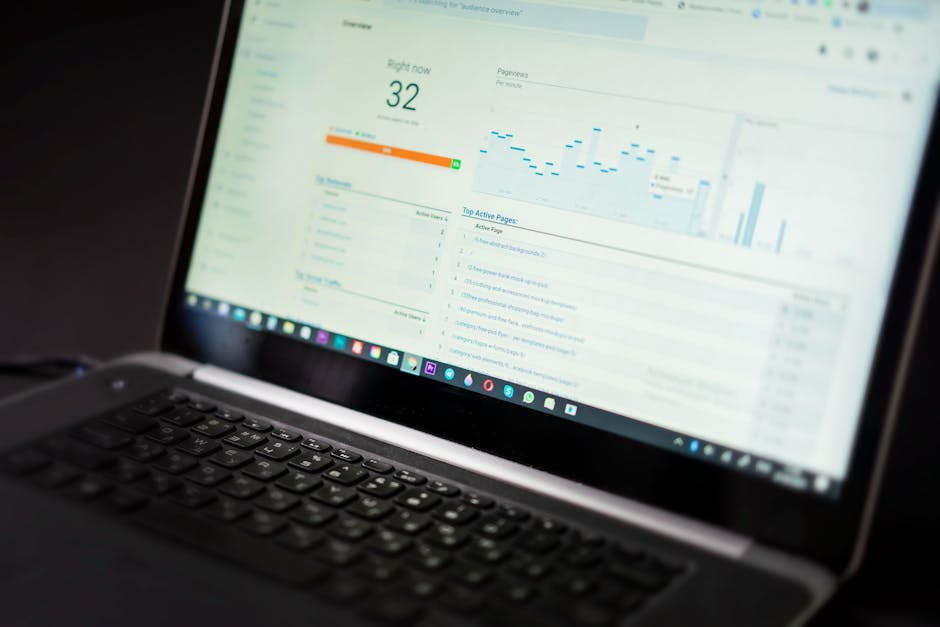
Key dashboard elements include:
- Geographic heatmaps of domain owners by country or region
- Industry sector breakdowns correlated with domain registration dates
- Competitor registrant clusters to understand market penetration
- Lead response rates over time linked back to specific registrants
This structured visualization approach turns WHOIS data from a noisy dataset into a practical asset supporting lead research and competitive strategy.
How to Build Your WHOIS Lead Research Workflow in 20 Minutes
- Start with Creatures: Search your target vertical or relevant domains and export a shortlist enriched with verified contact info.
- Feed the shortlist to Lillian: Upload the domain data for AI analysis to get prioritized lead recommendations.
- Create a dashboard: Use BI tools (like Tableau, Power BI, or Creatures’ native dashboards) to visualize lead clusters and geographic data.
- Review and refine: Quickly check for junk results or invalid contacts flagged by Lillian and remove or investigate them.
- Iterate weekly: Automate updates and continue feeding new WHOIS data to Lillian to keep lead lists fresh and reliable.
WHOIS Data Use Cases Beyond Lead Generation
Besides lead research and competitor intelligence, WHOIS data enriched with BI and AI tools unlocks other opportunities, such as:
- Brand protection: Monitor domain registrations that mimic your brand or trademarks.
- IP and security research: Identify related domains potentially linked to phishing or spoofing.
- Market entry planning: Analyze domain ownership patterns before expanding into a new market or vertical.
Summary: Avoid Junk WHOIS Results with the Right Tools and Approach
Challenge Solution Tools Unverified or incomplete WHOIS data Use curated BI directories with enriched contact info Creatures Too many irrelevant records Apply AI agents to prioritize and filter leads Lillian Hard to spot trends among leads Visualize data via customized dashboards Power BI, Tableau, Creatures dashboardsBy combining these elements — using Creatures for reliable domain lookup, Lillian for smart decision intelligence, and BI dashboards for visualization — your WHOIS-based lead research workflow becomes precise, productive, and repeatable without sifting through junk data.
Action Steps for SaaS Teams and Founders
- Try a quick domain lookup on Creatures and explore their enriched WHOIS data.
- Sign up for an AI decision assistant like Lillian and test a 20-minute lead research workflow.
- Create a simple dashboard tying WHOIS registrants to company data for your market.
- Monitor competitor domain strategies monthly for new lead opportunities.
Effective WHOIS data use is less about volume and more about insight quality. Employ curated directories, AI filtering, and visualization tools to get meaningful, actionable leads that power growth.
```